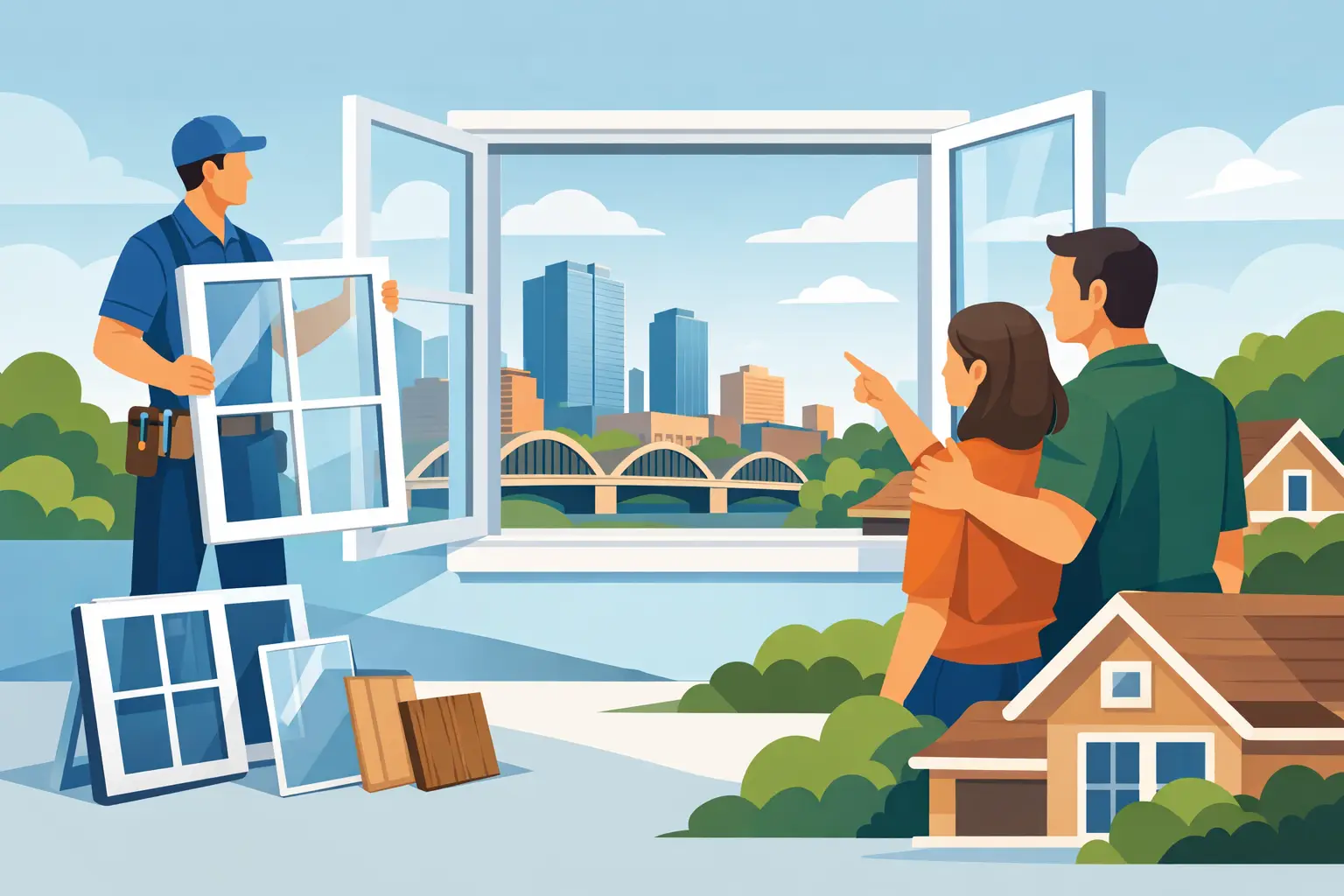
A window that will not stay open, glass that feels hot by midafternoon, or trim showing water stains is more than a cosmetic issue. It is often a sign that replacement windows deserve a closer look. For Fort Worth homeowners, the right window project can make rooms more comfortable, reduce outside noise, refresh curb appeal, and protect the wall system from water intrusion. The key is treating the work as a construction project, not simply a product purchase.
When Replacement Windows Are Worth the Investment
Windows do not have to be visibly broken to be underperforming. Older single-pane glass, failed insulated glass units, worn weatherstripping, deteriorated frames, and poor prior installation can all affect comfort and performance. A draft is the obvious warning sign, but some problems are less apparent. Condensation between panes means the insulated seal has failed. Soft drywall or staining near a window can point to flashing or drainage problems. Peeling exterior paint around the frame may signal moisture exposure that needs to be addressed before new windows go in.
High utility bills alone do not automatically mean the windows are the problem. Attic insulation, HVAC performance, duct leakage, and air gaps around doors also matter. Still, if certain rooms are consistently uncomfortable, the glass is fogged, or windows are difficult to operate, replacement may be a practical investment.
A well-planned window project also makes sense during exterior remodeling. New siding, trim, paint, or masonry repairs provide an opportunity to correct flashing details and create a finished appearance around the openings. Waiting until after those projects can mean disturbing completed work later.
Start With the Right Type of Window
The best choice depends on the home’s architecture, how the room is used, and the condition of the existing opening. Homeowners should be clear about whether they need an insert replacement or a full-frame installation.
An insert window fits within an existing frame that is still sound, square, and free from water damage. This approach can reduce disruption to interior and exterior finishes. It may be a good fit when the existing frame and trim are in excellent shape. The trade-off is that the new unit sits inside the old frame, which can slightly reduce visible glass area.
A full-frame replacement removes the existing window down to the rough opening. It provides access to inspect framing, repair deteriorated wood, install proper flashing, and address hidden problems. It is often the better long-term choice when there is rot, water damage, poor installation, or a planned change to the window’s size or style. It requires more finish work, but it gives the installer control over the entire opening rather than covering up a problem.
Match operation to the room
Window style affects daily function as much as appearance. Double-hung windows are a familiar choice for many traditional Fort Worth homes and can provide flexible ventilation. Casement windows open outward and seal tightly when closed, making them useful where airflow and energy performance are priorities. Sliding windows work well in spaces where an outward-swinging sash would interfere with a walkway or patio.
Picture windows bring in broad views and daylight but do not open for ventilation. In a kitchen, a casement window over the sink can be easier to operate than a double-hung unit. For bedrooms, local code requirements for emergency escape may influence size and opening type. These details should be reviewed before ordering, not discovered after installation begins.
Glass and Frame Choices Matter in Texas Heat
Fort Worth summers place real demands on windows, especially those facing west and south. Energy-efficient glass can help manage heat gain, but selecting the lowest number on a product label is not the entire decision. The orientation of the house, amount of shade, size of the opening, and desired natural light all affect what makes sense.
Low-emissivity, or Low-E, coatings are commonly used to reduce solar heat transfer while allowing usable daylight inside. Insulated glass units can improve comfort compared with older single-pane windows. For highly exposed areas, solar-control glass may be worth considering. In a shaded north-facing room, however, an aggressive tint may not provide enough benefit to justify making the space noticeably darker.
Frame material should be selected for performance, appearance, and maintenance expectations. Vinyl windows are often cost-effective and low-maintenance. Fiberglass can offer strength and stability in temperature swings. Wood provides a traditional look that suits many older homes but requires proper maintenance. Composite and clad wood options can balance the look of wood indoors with a more weather-resistant exterior.
No material is automatically best for every house. A quality window installed poorly will not perform as intended, and a more expensive frame may not be necessary for every budget or elevation. The goal is a product and installation method that fit the house for the long term.
Proper Installation Protects More Than the Window
The installation is where a window project succeeds or fails. A new unit should be level, plumb, square, and securely fastened according to manufacturer specifications. Just as important, the opening needs a clear path for water to drain to the exterior. Flashing, sealant, shims, and insulation all have specific jobs. They should not be substituted for one another.
Spray foam can help seal small gaps around a frame, but too much expanding foam can bow the jamb and make the window difficult to operate. Exterior caulk is necessary at the correct joints, but caulk alone is not a water-management system. If water gets behind exterior cladding, proper flashing should direct it back out rather than trapping it against framing.
This is also why uncovering damaged framing is not bad news when handled correctly. It is better to replace soft wood, repair sheathing, and correct the source of moisture while the opening is accessible than to install a new window over a failing condition. A contractor should explain what is found, identify the repair needed, and provide a clear path forward without pressure.
Plan the Project Around Your Home
Replacing every window at once can provide a consistent appearance and allow work to be scheduled efficiently. It is not always required. Some homeowners prioritize windows with failed seals, significant drafts, or visible water damage first, then complete other elevations later. A phased plan can be sensible when the budget is structured around larger remodeling goals.
Before work starts, discuss how crews will protect floors, landscaping, furniture, and nearby finishes. Interior trim may need to be removed or repaired during a full-frame installation. Exterior paint or siding touch-up can be part of the scope. If the home has custom casing, brick molding, or older materials that are difficult to match, that should be addressed in the estimate.
Color also deserves attention. A bright white vinyl frame may look out of place beside warm-painted trim or natural wood accents. Dark exterior frames can create a sharp, updated look, but they may show dust and require careful coordination with siding, brick, and roof colors. Good planning prevents a window project from looking like a collection of individual replacements.
Questions to Ask Before You Approve the Estimate
A clear estimate should identify the window type, frame material, glass package, operating style, and expected finish work. It should also explain whether the installation is insert or full-frame, who handles trim repairs, and how any unexpected rot or structural issues will be addressed.
Ask how the installer will flash the opening, insulate the gaps, and protect the home during removal. Confirm warranty details for both the product and workmanship. If the project includes changing the size of an opening, ask how header, framing, exterior finish, and permit requirements will be handled. Those items can affect both cost and schedule.
Price matters, but a low number can leave out the work that protects the investment. Comparing estimates line by line is more useful than comparing a single total. A thorough scope makes it easier to understand what you are receiving and reduces avoidable surprises once work begins.
For homeowners planning a larger renovation, window decisions should be coordinated with exterior repairs, insulation upgrades, siding, painting, and interior trim. Barrington One Construction approaches those details as connected parts of the home, with one point of contact and workmanship that does not stop at the edge of the window frame.
The right replacement window should look appropriate for the home, operate easily, and perform reliably through Texas heat, storms, and changing seasons. Take the time to inspect the full opening, select materials with a purpose, and make sure the installation plan protects the structure behind the glass.