A cracked driveway, aging siding, a leaking patio cover, or a front entry that no longer fits the home can make exterior work feel urgent. The right exterior renovation planning guide helps separate cosmetic wants from issues that could damage the structure, waste energy, or create larger repair costs later. For Fort Worth homeowners, that planning also needs to account for intense sun, hail, wind-driven rain, shifting soil, and the way those conditions affect materials over time.
Exterior remodeling is rarely a single decision. A new door may require trim repairs. A patio expansion may need drainage adjustments. Replacing worn siding without addressing flashing or rot underneath can leave the real problem in place. Good planning puts the work in the right order, protects the home during construction, and gives you a clearer picture of where your budget delivers the most value.
Start With the Home’s Condition, Not the Finish Color
It is tempting to begin with paint colors, stone accents, or a new front door. Those choices matter, but the first step is understanding the condition of the exterior system behind them. Walk around the home after a hard rain if possible. Look for standing water near the foundation, loose trim, stained soffits, cracked caulk, deteriorated wood, soft areas around doors and windows, and gaps where pests or moisture can enter.
Pay close attention to transitions. Roof edges, window openings, door thresholds, exterior wall penetrations, deck connections, and patio covers are common places for water to find a path inside. Water management is not glamorous, but it is one of the most valuable parts of exterior renovation work. Proper flashing, drainage, grading, and sealing protect the materials you can see as well as the framing you cannot.
In North Texas, soil movement deserves its own consideration. Minor cracks can be cosmetic, while larger or changing cracks may point to drainage or structural concerns. A qualified contractor can help identify when exterior repairs should be coordinated with structural or foundation evaluation rather than treated as isolated patchwork.
Set Priorities Around Protection, Function, and Appearance
A practical exterior renovation plan works in three layers: protect the house, improve how you use it, then refine its appearance. That order does not mean every project must be expensive or disruptive. It means the plan should avoid installing new finishes over problems that will shorten their life.
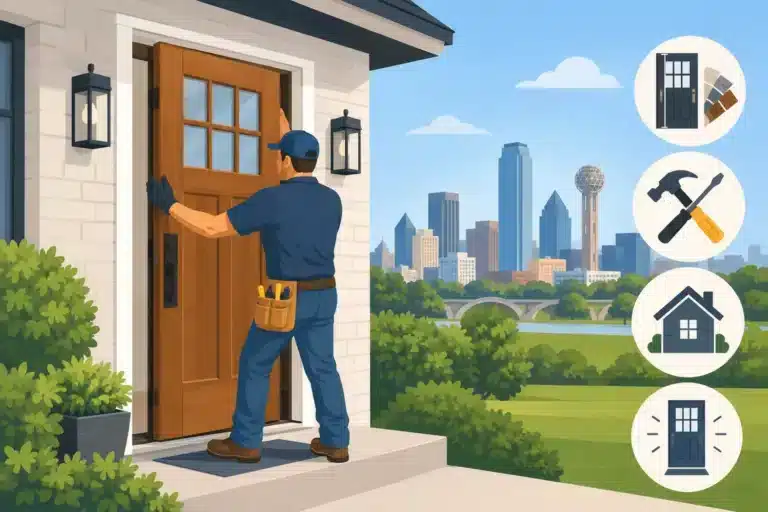
Protection work may include repairing siding, replacing damaged fascia, correcting drainage, installing properly flashed doors, or repairing framing affected by moisture. Function work could involve building a covered patio, replacing a deteriorated deck, adding safer steps, improving access, or updating exterior doors that are difficult to operate. Appearance work may include paint, trim details, decorative columns, updated lighting, or material changes that improve curb appeal.
These categories often overlap. A well-built covered patio can provide needed outdoor living space while shielding a rear entry from harsh weather. A replacement door can improve security, energy performance, and curb appeal at the same time. The key is to understand which benefit is driving the project, because that helps guide material choices and budget decisions.
Build a Realistic Budget Before Selecting Materials
The lowest estimate is not always the lower-cost project. Exterior work can uncover concealed damage after old materials are removed, particularly around windows, doors, rooflines, and deck framing. A realistic budget should include the visible scope, likely repair allowances, permits when required, material selections, and site protection.
Ask for an estimate that clearly identifies what is included and what could change the price. For example, replacing exterior trim may be straightforward if the wall framing is sound. If rot is found behind the trim, the repair may require additional labor and materials. Clear communication about those possibilities is far better than a vague number that leaves room for surprises.
Material selection should fit the home, the exposure, and the maintenance level you are willing to accept. Natural wood can provide warmth and character, but it requires regular protection from moisture and sun. Fiber cement, engineered products, masonry, composite decking, and metal components each have advantages, but installation details matter as much as the product itself. Manufacturer specifications for fasteners, clearances, flashing, and paint systems are not optional details. They are part of a durable installation.
Plan the Exterior Renovation in the Right Sequence
One of the most common planning mistakes is completing a finish project before the underlying or adjacent work is resolved. Fresh paint does not solve a failed gutter system. New deck boards cannot correct weak framing. A beautiful front entry can be damaged if nearby siding, drainage, or roofing work is still pending.
A typical exterior sequence begins with investigation and design, followed by permits or approvals when needed. Structural repairs, drainage corrections, framing, roofing-related details, and rough construction should happen before finish materials. Doors and windows are installed and flashed before surrounding siding or trim is completed. Painting, lighting, hardware, landscaping touchups, and final cleanup come later.
The exact order depends on the scope. If you are replacing siding and windows together, completing both as one coordinated project often produces cleaner weatherproofing and a better visual result than doing them years apart. If your main goal is a patio or deck, plan for access, electrical needs, drainage, and how the new structure connects to the house before construction begins.
Design for Fort Worth Weather and Daily Use
A renovation should work well on a July afternoon, during a spring storm, and through years of normal family use. Shade, airflow, and drainage are practical design features, not extras. A patio that receives direct afternoon sun may need a cover, ceiling fan provisions, or a layout that gives seating a protected zone. A deck or porch needs materials and fasteners suited for exterior exposure, along with a drainage strategy that keeps water away from the foundation.
Think about the traffic pattern around the home. Where do people enter with groceries? Where do children and pets move between the house and yard? Is the patio accessible from the kitchen, or does it force people through a narrow doorway and around furniture? Good exterior design solves those everyday frustrations before construction starts.
Matching new work to an existing home also requires judgment. Brick color, mortar profile, siding exposure, trim proportions, rooflines, and door styles all affect whether an addition looks intentional. Exact material matches are not always available, especially on older homes. In those cases, a thoughtful transition or complementary selection generally looks better than forcing a close-but-not-quite match.
Choose a Contractor Who Can Manage the Details
Exterior projects involve more than one trade. Carpentry, framing, masonry, roofing details, painting, electrical work, concrete, and drainage may all be part of the same renovation. Coordinating those pieces through one accountable point of contact reduces the chance that one scope interferes with another.
Before hiring, discuss the existing conditions, project sequence, protection of landscaping and adjacent finishes, cleanup expectations, material lead times, and how changes will be handled. You should also understand who will communicate with you during the project and how decisions will be documented. No homeowner should have to chase multiple crews for answers about work being done on their own property.
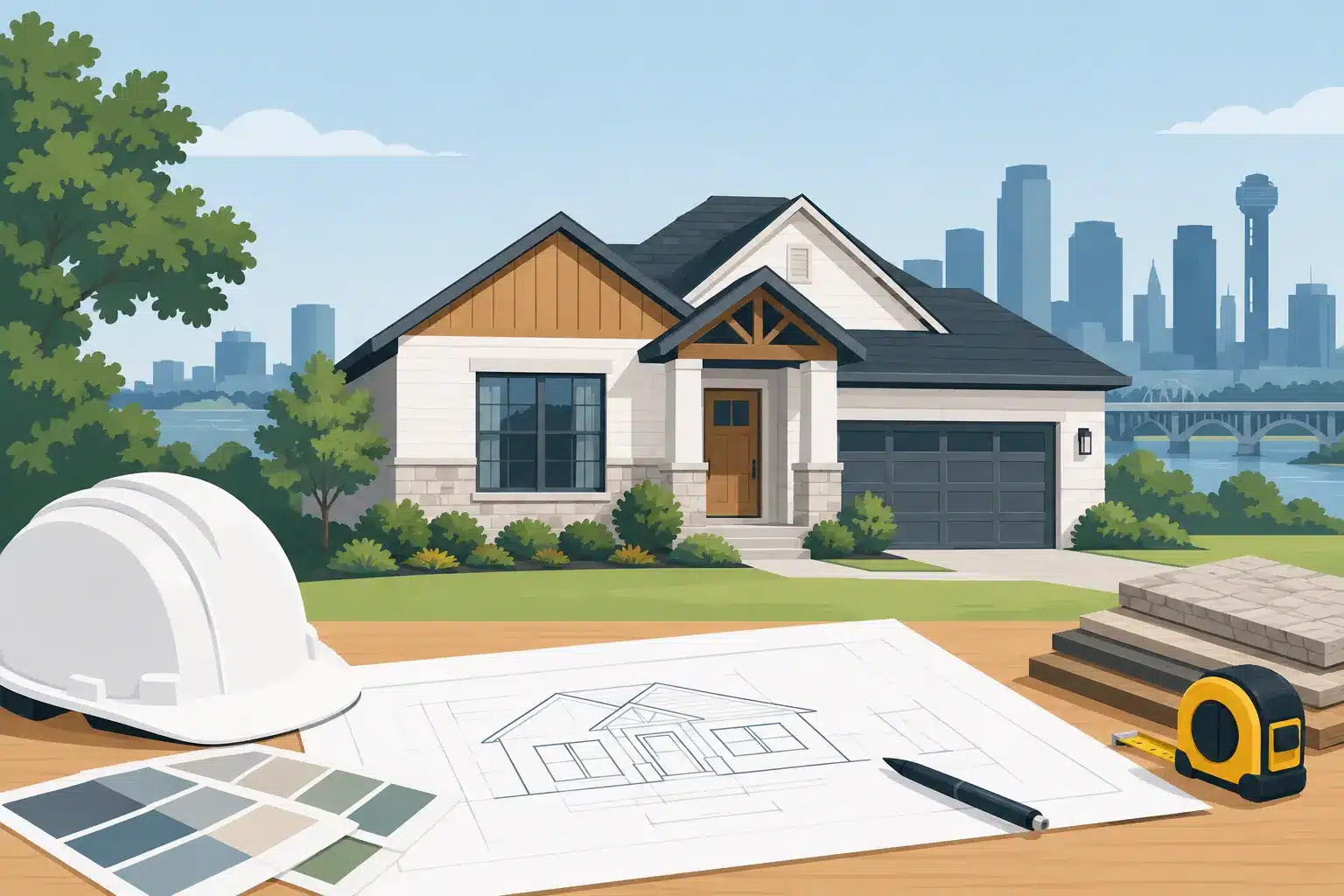
At Barrington One Construction, planning begins with the condition of the home and the homeowner’s goals, whether the work is a targeted exterior repair or a larger custom renovation. The purpose is not to pressure you into a bigger project. It is to make sure the work that is done is properly scoped, properly installed, and built to serve the home for years.
Give the Plan Time to Do Its Job
The best time to plan exterior work is before a small issue becomes an emergency. Start with an honest assessment, decide what needs protection first, and make design choices that support how your family actually lives. A well-planned exterior renovation does more than improve the view from the street. It protects your investment every time the weather tests it.