A hairline crack over a doorway does not automatically mean your foundation is failing. But when that crack grows, a bedroom door starts sticking, and the floor feels out of level, the issue deserves a closer look. Knowing how to evaluate foundation movement helps Fort Worth homeowners respond based on evidence instead of fear, especially before investing in a kitchen remodel, room addition, or major interior renovation.
Foundation movement is common in North Texas because many homes sit on expansive clay soil. That soil swells when it absorbs moisture and shrinks during dry weather. Seasonal movement can occur without creating a structural emergency. The concern is not one isolated cosmetic imperfection. It is a pattern of changes that suggests the home is moving unevenly or that the movement is continuing.
Start by Looking for Patterns, Not One Crack
Homes are built from different materials that expand, contract, and settle at different rates. Small drywall cracks, especially in newer construction or around a recently remodeled area, can be normal. Paint and drywall are often the first finishes to show movement because they are relatively brittle.
The more useful question is whether several signs appear in the same area of the home or whether the condition is changing over time. A diagonal crack extending from the corner of a door or window is more meaningful when paired with a door that no longer latches correctly. Likewise, a crack in brick veneer deserves more attention if nearby windows are difficult to open or exterior trim has separated.
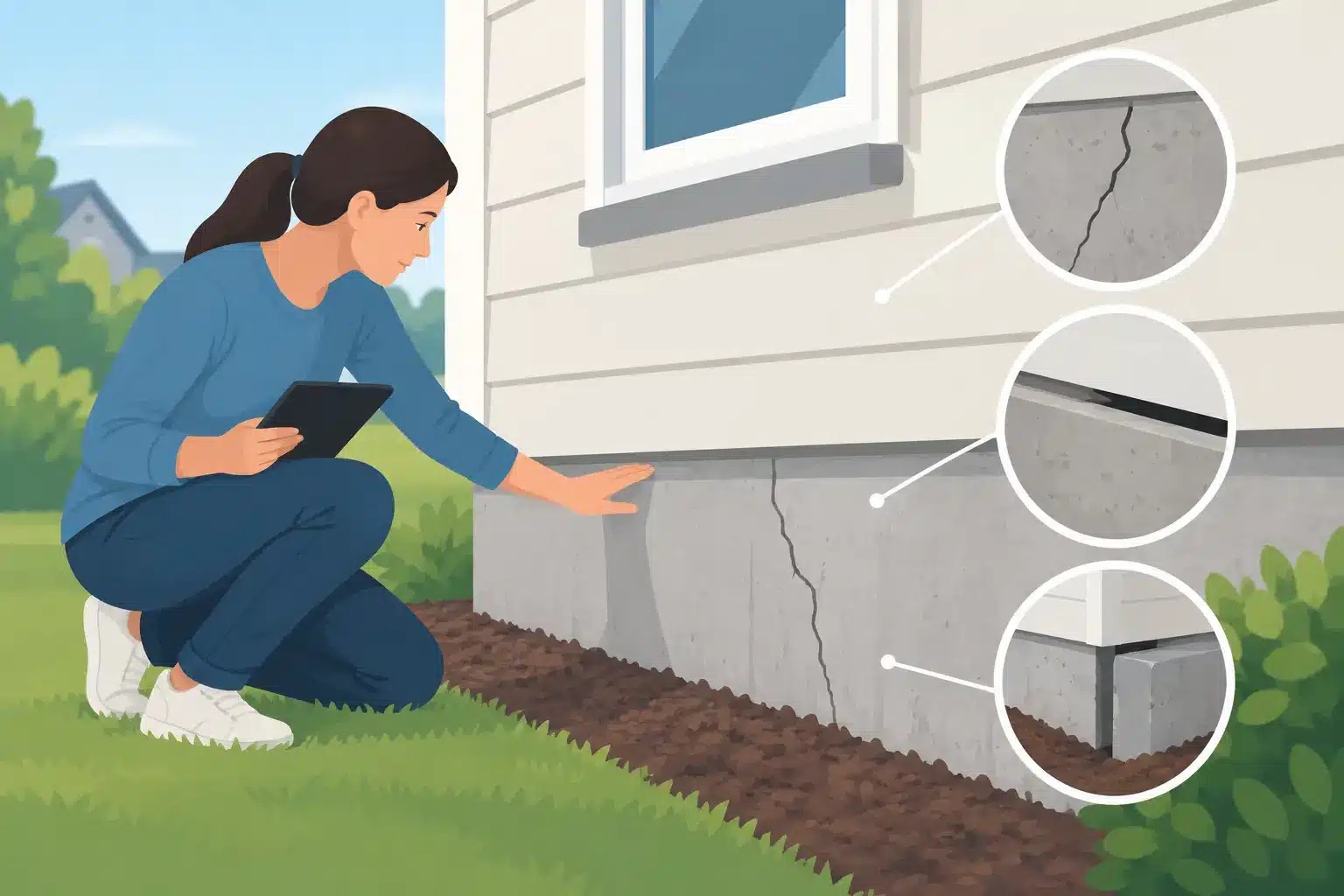
Walk through the house slowly and make notes by room. Look at interior walls, ceilings, door frames, windows, floors, exterior brick or siding, and the transition between the home and patios or walkways. Take clear, dated photographs. If a crack is accessible, measure its width or place a small pencil mark at each end so you can tell whether it lengthens.
A single inspection is a snapshot. A written record gives you a way to compare conditions after rain, drought, plumbing repairs, or several months of normal seasonal weather.
Interior Signs That May Point to Movement
Inside the home, focus on changes that affect the way building components fit together. Doors that rub at the top, swing open on their own, or will not latch can indicate frame movement, although loose hinges or seasonal wood expansion may also be the cause. Windows that bind, gaps around trim, and cracked grout or tile can offer additional clues.
Pay particular attention to these conditions when they occur together:
- Diagonal drywall cracks at the corners of doors and windows
- Cracks where walls meet ceilings or where two walls intersect
- Doors or windows that have become difficult to operate
- Noticeably sloped, soft, or uneven floors
- Separation between baseboards, crown molding, cabinets, or countertops and the wall
- Repeated cracking in the same repaired drywall or tile area
Not every item on this list is a foundation problem. A floor that feels uneven could be related to framing, subfloor damage, or a localized plumbing leak. Cracked tile may result from an improperly prepared floor or inadequate expansion joints. That is why a complete evaluation matters before anyone recommends a repair.
In bathrooms and kitchens, look closely around cabinet runs, backsplashes, countertops, and tile. These finishes are rigid, so they can reveal small changes in framing. At the same time, remodeling work may expose pre-existing irregularities that were hidden by old materials. An experienced contractor should separate installation-related concerns from signs of broader structural movement before starting finish work.
Check the Outside of the House and the Drainage
Exterior conditions often help explain what is happening indoors. Walk the perimeter during daylight and inspect brick, mortar joints, siding, fascia, trim, and the visible foundation edge. Stair-step cracks in brick or cracks that widen toward one end can indicate differential movement, particularly if they line up with interior symptoms.
Also look at the grade around the home. Water should drain away from the foundation rather than collecting along the walls. Gutters, downspouts, roof valleys, sprinkler heads, and air-conditioning condensate lines can all create concentrated moisture in the soil. On the other hand, extremely dry soil can pull away from the foundation and contribute to soil shrinkage.
Fort Worth weather can shift from heavy rain to long dry periods quickly. The goal is not to keep the soil soaking wet or bone dry. It is to avoid dramatic, repeated moisture swings around the foundation. Consistent drainage and appropriately managed landscaping are often part of protecting the home over the long term.
Check for low areas where water ponds after rain, downspouts that empty next to the house, and tree roots close to the foundation. Mature trees are valuable, but their roots can draw significant moisture from clay soil during dry periods. The right solution depends on the site, the drainage path, and the tree’s location. Removing a tree or adding irrigation without a plan can create new problems, so get qualified guidance when conditions are significant.
How to Evaluate Foundation Movement Before Remodeling
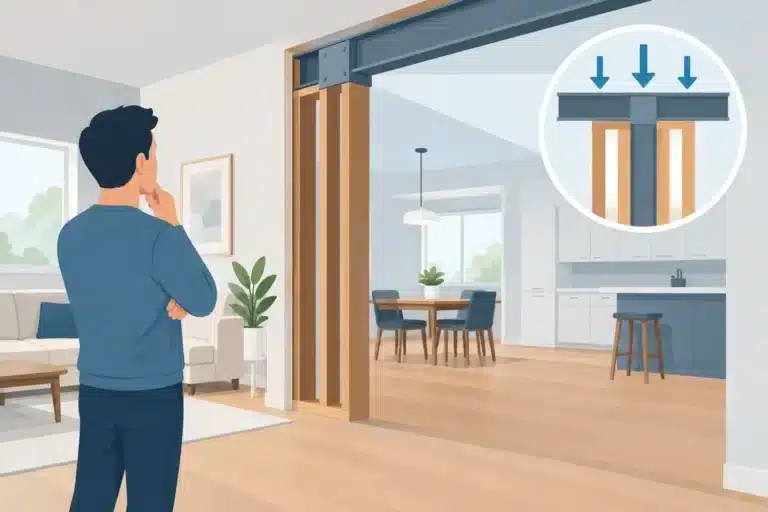
Foundation movement should be addressed before installing new cabinets, tile, flooring, doors, or trim. A beautiful remodel cannot correct an active structural issue. If movement continues after the work is complete, new finishes may crack, separate, or become difficult to align.
Before a major renovation, document existing cracks and operation issues. Then inspect the scope of work with the project in mind. For example, if a planned room addition will connect to an existing exterior wall, the contractor needs to understand framing conditions, elevations, drainage, and how the new work will meet the old structure. If a bathroom floor feels uneven, the framing and subfloor should be evaluated before new tile is selected.
This does not mean every older home needs foundation repair before remodeling. Many established homes have minor settling or cosmetic cracks that have remained stable for years. In those cases, proper preparation, sound framing repairs where needed, and suitable installation methods can support a successful renovation. The key is not guessing.
At Barrington One Construction, structural and framing conditions are treated as part of responsible project planning, not as an afterthought hidden behind new finishes. Homeowners deserve a clear explanation of what is cosmetic, what requires repair, and what should be reviewed by a specialist before work proceeds.
When to Call a Professional
A qualified foundation professional or licensed structural engineer is appropriate when you see multiple warning signs, rapid changes, wide or growing cracks, substantial floor slope, or exterior brick cracking combined with interior problems. An engineer can provide an independent assessment of the structure and identify whether movement is active, historic, or related to another condition.
You should also seek prompt professional evaluation if you notice signs of water damage near the foundation, plumbing leaks under the slab, a sudden change after severe weather, or gaps that are expanding quickly. Safety comes first. If framing appears visibly compromised or a wall, ceiling, or floor is sagging, avoid loading that area until it has been inspected.
Be cautious about accepting a repair recommendation based only on a brief visual sales visit. Ask what evidence supports the diagnosis, whether drainage or plumbing has been considered, how elevations were measured, and what the proposed repair is intended to correct. A trustworthy recommendation explains the limits of the assessment and does not promise that a house will never move again.
Make Monitoring Part of Protecting Your Investment
For conditions that appear minor or stable, continue monitoring them. Photograph the same locations every few months and after major weather shifts. Keep gutters clear, extend downspouts where needed, repair plumbing leaks promptly, and maintain drainage away from the house. These practical steps can reduce the moisture extremes that contribute to movement in North Texas soils.
Foundation concerns can feel overwhelming because they affect the part of the house you cannot easily see. A careful inspection, good documentation, and the right professional input replace uncertainty with a practical path forward. Before you invest in new finishes or major changes to your home, make sure the structure beneath them is ready to support the work for years to come.