A window that sticks, rattles in a north wind, or turns a sunny room into an oven is more than a minor inconvenience. It can affect comfort, energy use, outside noise, and the condition of the wall around it. The right window replacement options depend on what is failing, how long you plan to stay in the home, and whether the project is part of a larger exterior or whole-home renovation.
For Fort Worth homeowners, the decision also has to account for strong summer sun, sudden temperature shifts, wind-driven rain, and the occasional hailstorm. A good-looking window is not enough. The frame, glass package, flashing, trim, and installation method need to work together.
Start With the Reason for Replacement
Windows are often replaced because of visible damage: cracked glass, warped frames, deteriorated wood, failed seals, or hardware that no longer operates properly. But the underlying issue matters just as much as the symptom.
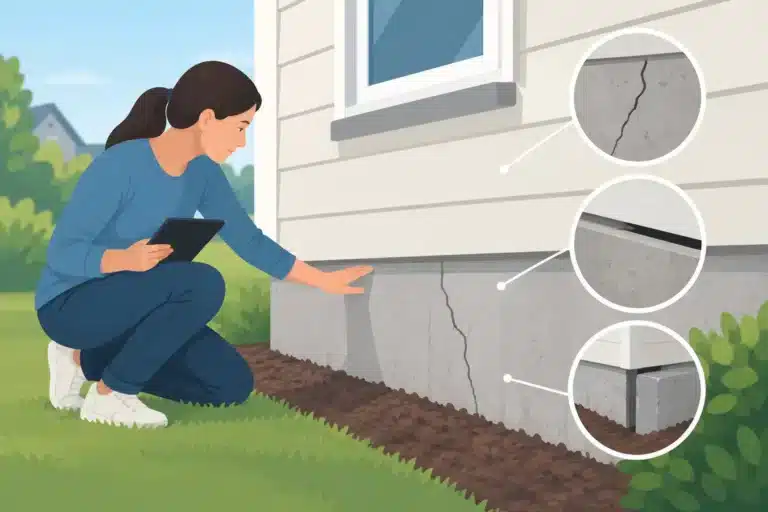
Fogging between glass panes usually points to a failed insulated-glass seal. Drafts may come from worn weatherstripping, a poorly fitting sash, or gaps between the original window frame and the wall. Water staining on interior drywall or trim deserves closer attention because it may indicate failed exterior caulking, flashing problems, or rot behind the finish materials.
If only a few windows have isolated issues, repair or targeted replacement may be sensible. If windows throughout the home are original, difficult to operate, and no longer performing well, replacing them as a planned project can create a more consistent appearance and a better long-term result.
Window Replacement Options by Frame Material
Frame material affects maintenance, appearance, strength, cost, and how well a window holds up over time. There is no single best choice for every Fort Worth home.
Vinyl windows
Vinyl is a common choice for homeowners who want an affordable, low-maintenance replacement window. Quality vinyl windows resist moisture and do not require painting. They can be a practical fit for many homes, particularly when energy efficiency and budget are the leading priorities.
The trade-off is appearance and structural rigidity. Lower-grade vinyl frames may expand and contract more noticeably in Texas heat, and color choices can be limited. A well-built vinyl window can perform very well, but it is worth comparing frame thickness, reinforcement, hardware quality, and warranty details rather than choosing solely by price.
Fiberglass windows
Fiberglass frames are strong, stable, and well suited to changing temperatures. They typically expand and contract less than vinyl, which can help maintain a tight fit between the frame and glass over the life of the window. Many fiberglass products can also be painted, making them a good option when exterior color coordination matters.
They generally cost more than vinyl, but homeowners planning to remain in the house for many years often see value in the durability and finish options. Fiberglass is especially worth considering for large openings, prominent front elevations, and homes where a more refined exterior appearance is a priority.
Wood and wood-clad windows
Wood offers a traditional look that is difficult to duplicate, especially in older homes, custom homes, and interiors with stained trim. It is also useful when matching existing profiles, historic character, or detailed millwork.
The maintenance requirement is the main consideration. Exterior wood needs consistent protection from moisture and sun. Wood-clad windows address part of that concern by pairing a wood interior with a lower-maintenance exterior cladding, often aluminum. They cost more, but they can be the right choice when preserving the character of the home matters as much as reducing upkeep.
Aluminum windows
Aluminum frames are slim, strong, and useful for contemporary designs or larger expanses of glass. They can provide clean sight lines and hold up well structurally. However, aluminum conducts heat more readily than other frame materials unless the product includes a thermal break.
For a hot climate, product construction matters. An inexpensive aluminum window may not deliver the comfort or energy performance homeowners expect. Higher-quality thermally improved aluminum systems are a different category and should be evaluated accordingly.
Glass Choices Matter as Much as the Frame
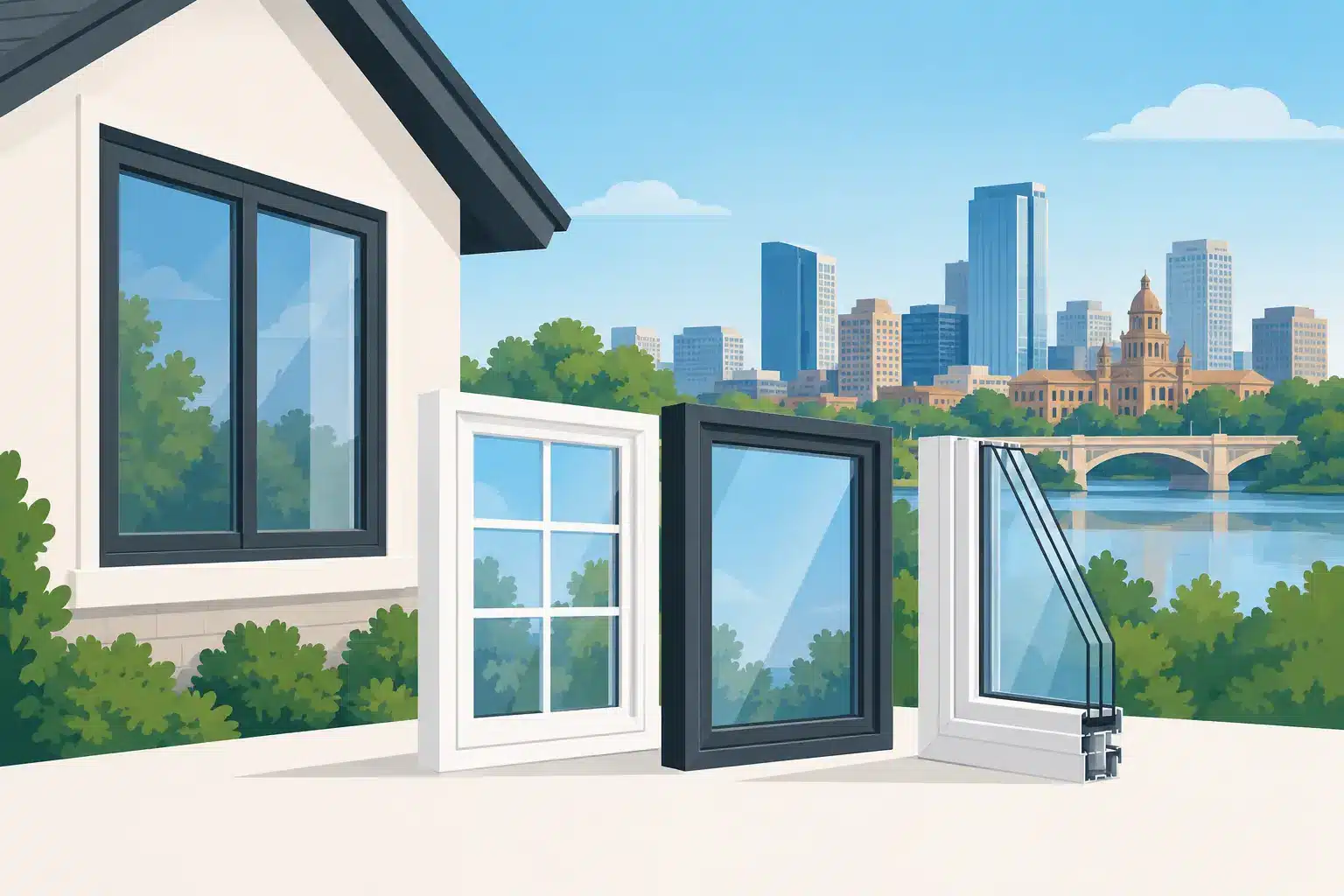
Homeowners sometimes focus on the frame and overlook the glass package, even though glass makes up most of the window opening. In Fort Worth, low-emissivity, or Low-E, glass is often a practical choice because it helps reduce solar heat gain while allowing useful daylight into the room.
Double-pane insulated glass is standard for most replacement projects. Triple-pane glass can improve insulation and sound control, but it is not automatically necessary for every home. The added cost and weight should make sense for the location. A bedroom facing a busy street or a west-facing wall with intense afternoon exposure may justify a higher-performance package more than a shaded window on the back of the house.
Tint, grid patterns, obscure glass, and impact-resistant glass are also project-specific choices. Obscure glass can improve privacy in bathrooms without blocking daylight. Decorative grids should match the home’s architecture, not simply follow a trend. If hail resistance is a major concern, discuss available glass options and how they affect appearance, cost, and replacement procedures after a storm.
Full-Frame vs. Insert Window Replacement Options
The installation method is one of the most important decisions in a window project. An insert replacement, sometimes called a pocket replacement, fits a new window into the existing frame. This approach can be less invasive and may preserve interior trim when the existing frame is square, dry, stable, and in good condition.
A full-frame replacement removes the existing window down to the rough opening. It provides access to the surrounding framing, insulation, flashing, and water-management details. This method is often the better choice when there is rot, water damage, poor original installation, a desire to change window size or style, or a need to replace damaged exterior trim.
An insert can be a good solution, but it is not a shortcut to use when the original frame has problems. Covering deteriorated wood with new trim may improve the appearance temporarily while leaving the actual cause of the problem in place. A proper assessment should determine whether the wall opening is sound before a replacement method is chosen.
Choose Window Styles That Work for the Room
A replacement project is a good time to correct daily frustrations. Double-hung windows are familiar and work well in many traditional homes, especially where an upper sash that tilts inward makes cleaning easier. Casement windows crank outward and can offer a tighter seal, but they need clearance outside. Sliding windows are straightforward for wide openings, while picture windows bring in maximum light where ventilation is not needed.
In kitchens, a casement window over a counter may be easier to operate than a double-hung sash. In a bathroom, privacy glass and a venting option can improve function. For living rooms, combining fixed and operable units can create a larger view without making the entire opening more expensive than necessary.
Changing a window’s size, shape, or location can transform a room, but it may involve structural framing, exterior siding or brick work, drywall repair, and permitting considerations. That is where a full-service remodeling contractor provides a clear advantage over a window-only installer.
Installation Details Protect the Investment
Even a premium window can underperform if it is installed poorly. The work should include accurate opening measurements, removal that does not damage surrounding finishes unnecessarily, proper shimming and fastening, insulation around the frame, and exterior sealing designed to shed water rather than trap it.
Flashing details are particularly important when siding, trim, or exterior cladding is being disturbed. Caulk is part of the weather barrier, but it should not be the only line of defense. Water needs a path away from the opening, and adjacent materials need to be integrated correctly.
Interior protection also matters. Window replacement creates dust and requires work around flooring, furniture, drywall, and finished trim. A careful crew protects the area, keeps the job organized, and addresses finish work so the completed opening looks intentional from both inside and outside.
Plan the Project Around Your Home and Budget
Replacing every window at once offers consistency and can be more efficient, but phased replacement can make sense when the budget is limited or a few windows have urgent water or safety concerns. Start with windows that are damaged, leaking, exposed to the strongest sun, or difficult to secure.
Ask for a clear scope that identifies the window product, glass package, installation method, trim work, disposal, paint or stain touch-up, and any expected repairs discovered after removal. No one can see behind every old window before it comes out, but a contractor should explain how concealed rot or framing damage will be documented and handled if it is found.
At Barrington One Construction, window work can be coordinated with siding repairs, exterior trim replacement, room additions, and broader remodeling plans. That helps prevent a new window project from becoming disconnected from the rest of the home’s design and maintenance needs.
The best replacement window is not simply the most expensive model or the one with the lowest initial price. It is the one that fits the home, addresses the condition of the existing opening, and is installed with the same care you expect from every other part of your renovation. A careful evaluation before work begins gives you a clearer path to a home that is more comfortable, more protected, and easier to maintain for years ahead.