
A bathroom can look completely different after a shower update, but the wrong material choice can create years of frustration. When homeowners weigh a tile shower vs surround, the real question is not which option looks better in a showroom. It is which one fits the home, budget, maintenance expectations, and how long the remodel needs to perform.
Both can be good solutions when properly selected and installed. Tile offers custom design and long-term appeal. A prefabricated surround offers a practical, lower-maintenance surface with fewer grout lines and a faster installation path. The best choice depends on the condition of the existing bathroom, the layout, and whether the goal is a straightforward refresh or a fully custom renovation.
Tile Shower vs Surround: The Core Difference
A tiled shower is built in layers. It typically includes framing adjustments as needed, a shower pan or mud bed, a drain assembly, backer board or wall panels, a waterproofing system, thinset, tile, grout, and sealant at changes in plane. Every part of that assembly matters. Tile itself is durable, but the waterproofing behind it is what protects the framing and subfloor from moisture damage.
A shower surround is generally a prefabricated wall system made from acrylic, fiberglass, composite materials, or solid-surface panels. It may be installed over existing wall surfaces in some applications, although a proper remodel often calls for opening the walls, correcting damage, and preparing a sound substrate first. Surrounds are available as full units or wall panels paired with a separate shower base or tub.
The two options serve different purposes. Tile is a custom-built finish. A surround is a manufactured system designed for efficiency, cleanability, and fewer seams.
Cost Depends on More Than the Wall Finish
Homeowners sometimes compare the price of a box of tile to the price of a surround kit and assume the difference is simple. It is not. The installed cost of a shower is driven by demolition, plumbing changes, structural repairs, waterproofing, pan construction, wall preparation, labor, fixtures, and finish selections.
A basic surround can often be the more budget-conscious option, particularly when the existing plumbing locations and tub or shower footprint remain the same. It can reduce labor because there is less layout work, no individual tile setting, and little to no grout work. This makes a surround a sensible choice for a secondary bathroom, rental property, aging-in-place update, or a homeowner who wants a clean result without investing in a fully custom shower.
Tile usually costs more because installation requires more skilled labor and more preparation. A custom shower may also involve moving drains, widening the shower opening, adding niches, installing a bench, correcting out-of-plumb walls, or building a curbless entry. Those improvements add function and value, but they need to be planned into the budget from the start.
Cost should never be evaluated without considering what is behind the finished wall. A lower quote that skips proper waterproofing or leaves deteriorated framing in place is not a savings. It is a future repair waiting to happen.
Design Flexibility Favors Tile
Tile gives homeowners more control over the finished bathroom. It can be used to create a walk-in shower, a larger-format wall design, a mosaic shower floor for traction, a recessed niche, a bench, or a coordinated look with the bathroom floor and vanity backsplash. Porcelain tile, ceramic tile, natural stone, and many size formats allow the shower to fit the character of the home rather than looking like a one-size-fits-all replacement.
That flexibility is especially valuable in older Fort Worth homes, where bathrooms may have uneven walls, unusual dimensions, or layouts that do not accommodate standard prefabricated units. Tile can be cut and detailed around windows, sloped ceilings, plumbing walls, and custom openings.
A surround has more limited design options, but that does not mean it has to look cheap. Modern acrylic and solid-surface panel systems are available in clean white, soft neutrals, stone-inspired patterns, and matte finishes. Large wall panels can create a simple, contemporary appearance with minimal visual interruption. For homeowners who prefer a quiet, functional bathroom over a highly detailed one, that simplicity can be a benefit.
Maintenance Is Not Just About Grout
The usual argument for a surround is easy maintenance, and there is truth to it. Fewer joints mean fewer places for soap residue, mildew, and mineral buildup to collect. Routine cleaning is generally straightforward with a nonabrasive cleaner and a soft cloth or sponge. A surround is often a strong choice for households that want to spend less time maintaining the shower.
Tile requires more regular attention because grout joints can hold moisture and residue. Grout should be cleaned routinely, and depending on the material used, it may need periodic sealing. Caulk joints at corners, shower pans, and fixture trim should also be inspected over time. When caulk separates or cracks, it should be repaired promptly to keep water from reaching areas it should not.
Still, tile maintenance should not be exaggerated. A properly installed porcelain tile shower with quality grout, sound caulk joints, adequate ventilation, and consistent cleaning can perform well for many years. The key is realistic expectations. If no one in the household wants to maintain grout, a surround may be the better long-term fit.
Durability Comes Down to Installation Quality
A tile shower can last for decades, but only when it is built correctly. Cracked grout, loose tile, or water damage are often blamed on tile itself when the underlying problem is movement, poor wall preparation, an improperly sloped pan, or missing waterproofing.
A professional tile installation should address the entire wet-area system. Walls need to be flat and structurally sound. The shower floor must slope correctly to the drain. Waterproofing must be continuous at corners, seams, niches, benches, and penetrations. Tile and grout are finish materials, not the waterproof barrier.
Surrounds also need proper installation. Panels must be supported, aligned, sealed, and installed according to manufacturer specifications. If the wall behind a surround is wet, soft, or damaged, covering it without repairs only hides the problem. Plumbing valves and drain connections should be accessible and correctly installed before the new enclosure goes in.
A surround can crack or flex if it is poorly supported. Tile can fail if the substrate moves. Neither material makes up for shortcuts in the work behind it.
When a Surround Is the Better Choice
A surround often makes sense when speed, simplicity, and easy upkeep are the priorities. It is particularly practical for a hall bathroom used by children, a guest bath, or a tub replacement where the existing layout is functional and the homeowner wants to control costs.
It can also be a good option when a fast turnaround matters. Tile work requires multiple steps and cure times. A surround installation may reduce the overall construction schedule, although demolition, plumbing repairs, and unforeseen water damage can still affect timing.
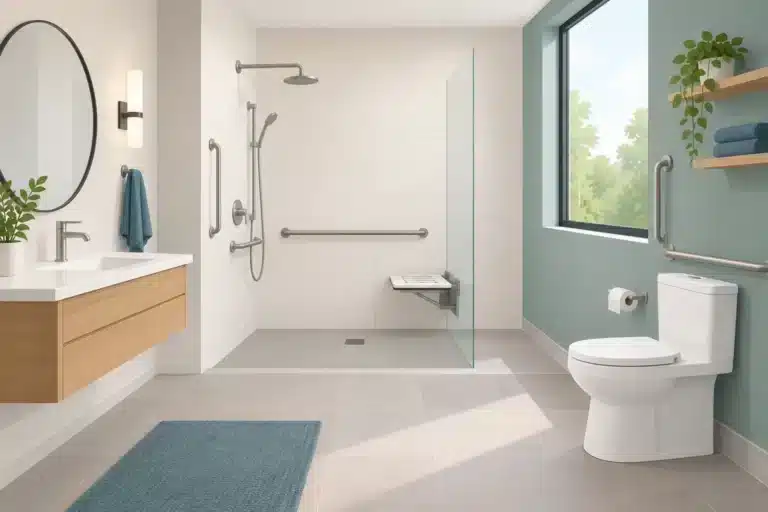
For aging homeowners, a low-threshold shower base combined with smooth wall panels can offer accessibility and a surface that is easier to clean. Accessories such as properly anchored grab bars, shelving, and handheld shower fixtures should be planned before installation, not added as an afterthought.
When a Tile Shower Is Worth the Investment
Tile is usually the better choice when the bathroom is part of a larger remodel, when the layout needs improvement, or when the homeowner wants a shower built specifically for the space. It is well suited to primary bathrooms where design, storage, and daily comfort matter.
A custom tile shower can solve common problems that a standard surround may not address. That includes a cramped shower opening, inadequate shelving, a poorly located valve, a difficult-to-clean tub, or a shower floor that does not drain correctly. It can also support a more cohesive renovation, with finishes selected to work with the vanity, flooring, lighting, and hardware.
The investment makes the most sense when the installation is approached as a system rather than a cosmetic update. Good planning protects the home from water intrusion while producing a bathroom that feels intentional and built to last.
Make the Decision After Looking Behind the Walls
Before choosing a tile shower or surround, inspect the existing conditions. A failing shower may have hidden water damage, outdated plumbing, weak framing, or mold-related concerns that need to be corrected regardless of the finish material selected. This is why an on-site assessment is more useful than choosing strictly from photos or display samples.
At Barrington One Construction, the focus is on matching the shower system to the homeowner’s goals while handling the details that protect the investment. Whether the right answer is a durable surround or a custom tile shower, the work should begin with sound preparation, clear scope planning, and installation practices that hold up after the remodel is finished.
Choose the option you will be comfortable using and maintaining every day, then make sure the construction behind it receives the same attention as the surface you see.