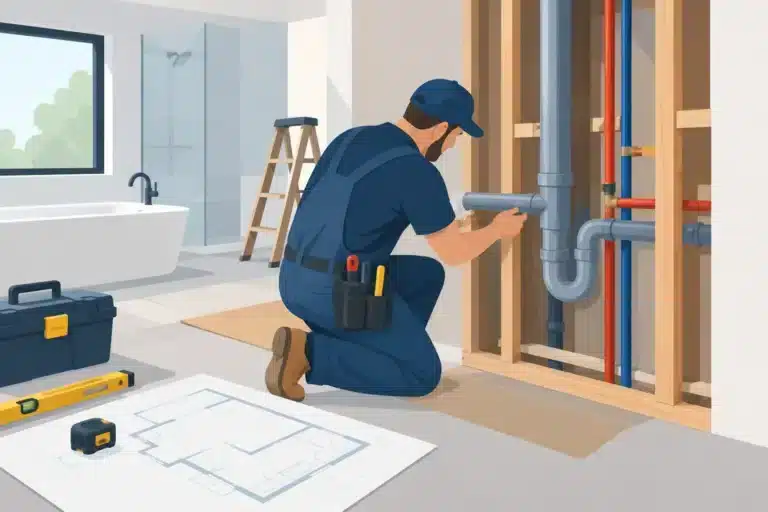

A kitchen wall can be removed in a few hours, but the dust, vibration, and disruption from that work can affect the rest of the house if the project is not properly managed. Protecting home during remodel work is not an afterthought. It is part of professional project planning from the first walkthrough through final cleanup. The goal is simple: complete the improvements you want without damaging the spaces, finishes, belongings, and systems you are keeping.
For Fort Worth homeowners, that also means planning for heat, sudden rain, active HVAC systems, and homes with materials that may be decades old. A contractor should protect more than the work area. They should protect your investment.
1. Walk the Home Before Work Begins
A thorough pre-construction walkthrough establishes the condition of the home before demolition or material deliveries start. This should include the remodel area as well as hallways, stairs, entryways, nearby rooms, exterior access routes, and landscaping that may be affected by the work.
Existing marks, cracked tile, worn flooring, or damaged trim should be identified upfront. This is not about creating unnecessary paperwork. It is about setting clear expectations and preventing confusion later. If a hardwood floor already has a scratch near the kitchen entrance, everyone should know that before protective coverings go down.
This is also the time to identify items that need special attention. Artwork, heirloom furniture, electronics, window treatments, and fragile decor should be removed by the homeowner when possible or covered and moved away from the construction zone. A good remodeling team will explain what needs to be cleared and what can safely remain in place.
2. Create a Protected Route Through the House
Most remodeling damage happens between the front door and the project area, not necessarily inside the room being renovated. Workers carry lumber, cabinets, tile, tools, and debris through the home every day. Without a defined travel path, floors and walls can take unnecessary wear.
Floor protection should match the surface. Hardboard or other rigid protection can help shield hardwood, tile, and luxury vinyl flooring from dropped tools and heavy traffic. Carpet requires clean, secured coverings that will not shift underfoot. Corners, door frames, stair rails, and other high-contact areas may also need protection when large materials are being moved.
The route should be practical, not just convenient. In some homes, using a side entry or garage access reduces traffic through finished living areas. For an exterior remodel, protecting driveways, planting beds, and irrigation components matters just as much as covering interior floors.
3. Contain Dust at Its Source
Dust is one of the biggest concerns in a kitchen, bathroom, flooring, or whole-home renovation. Drywall removal, concrete cutting, sanding, tile demolition, and carpentry work can send fine particles far beyond the room where the work is taking place. Closing a door is rarely enough.
A proper containment plan may include plastic barriers, zipper access doors, taped seams, and temporary walls around the active work area. For larger projects, negative air equipment can help direct airborne dust out of the space instead of allowing it to settle throughout the home. The right approach depends on the scope of work, the layout of the house, and whether the family will remain in the home during construction.
HVAC protection deserves close attention. Return vents near demolition areas may need to be sealed temporarily, and filters should be checked more often during dusty phases. The system should not be used as a pathway for construction dust. This small detail can save homeowners from cleaning vents and replacing filters long after the project is complete.
4. Protect Utilities and Working Systems
Remodeling often involves electrical, plumbing, gas, and structural work behind walls. Before cutting, drilling, or removing materials, the contractor needs to understand where critical systems are located. Guesswork can lead to a damaged water line, a cut electrical wire, or an avoidable interruption to the home.
Planned shutoffs are better than surprises. If water, power, or gas must be turned off, homeowners should know when it will happen, how long it may last, and what areas of the home will be affected. This is especially important during bathroom and kitchen remodels, where families may need temporary arrangements for cooking, bathing, or washing dishes.
Protecting the home’s structure matters as well. When walls are being modified, loads must be evaluated before framing is removed. Temporary support, proper headers, correct fasteners, and careful framing are not optional details. They protect the house while making room for a better layout.
5. Keep the Jobsite Secure and Weather-Ready
An active jobsite can create security concerns, particularly when doors are removed, windows are being replaced, or exterior walls are temporarily open. Tools and materials need to be secured, but so does the home itself. A contractor should have a plan for locking up each day and protecting any openings from unauthorized access.
Weather protection is equally important in North Texas. Rain can arrive quickly, and summer heat can affect materials, adhesives, and unfinished spaces. If a roof section, exterior wall, or patio connection is opened during construction, temporary coverings need to be installed before the crew leaves. The right protection may be tarps, sheathing, flashing, temporary doors, or another method appropriate to the condition.
Material storage should be considered early. Cabinets, flooring, and trim should not be left where they can be exposed to moisture, extreme heat, or unnecessary damage. Some products also need time to acclimate inside the home before installation, particularly wood flooring and certain trim materials.
A Plan for Protecting Your Home During a Remodel
The best protection plan is one that is discussed before the estimate is accepted, not after demolition begins. Homeowners should know where workers will enter, where materials will be staged, what rooms will be off limits, and how dust and debris will be managed. They should also have one point of contact who can answer questions as conditions change.
At Barrington One Construction, detailed project oversight is part of protecting the homeowner’s property, budget, and vision. No two homes have the same access, existing finishes, or day-to-day needs, so the protection plan should be tailored to the actual project rather than handled with a one-size-fits-all approach.
6. Manage Debris and Daily Cleanup
Demolition debris is unavoidable, but leaving it scattered around the jobsite is not. A clean work area is safer for workers and homeowners, reduces the chance of scratches or punctures, and makes it easier to spot issues before they become larger problems.
Debris should be removed through the designated path, with sharp materials and nails contained rather than dragged across floors or left in driveways. For larger renovations, dumpster placement should protect the driveway and maintain reasonable access to the home. If a dumpster is needed for several weeks, the location should be discussed before delivery.
Daily cleanup does not mean the home will look finished at the end of every day. Remodeling is active work, and some stages are naturally messy. It does mean the crew should leave the area organized, secure, and safe to the extent the stage of construction allows.
7. Verify Details Before Final Cleanup
Protection continues through the final phase. Newly installed cabinets, flooring, countertops, doors, tile, and paint can be damaged by follow-up trades if sequencing is poor. For example, finished flooring should be protected while cabinet adjustments, appliance installation, and punch-list work are still underway.
A final walkthrough gives homeowners the opportunity to inspect the finished work and identify items that need attention. This is where craftsmanship and follow-through show. Trim should align properly, tile edges should be finished cleanly, doors should operate correctly, and surfaces should be free of construction residue.
It also helps to ask about care for the new materials. Natural stone, wood finishes, grout, paint, and specialty flooring products may have specific cleaning or maintenance requirements. Using the wrong cleaner immediately after installation can damage a finish that was installed correctly.
A remodel should leave your home more functional and more valuable, not create a second round of repairs in the rooms around it. Choose a contractor who treats floor coverings, access routes, existing finishes, and your daily routine with the same care they bring to the new work.